


What is shift-left testing, and why do teams only understand it after things go wrong?
If you’ve ever been part of a release cycle, you already know how this story usually goes. Everything looks fine while features are being built. Developers are moving fast, things are getting merged, and nothing feels alarming.
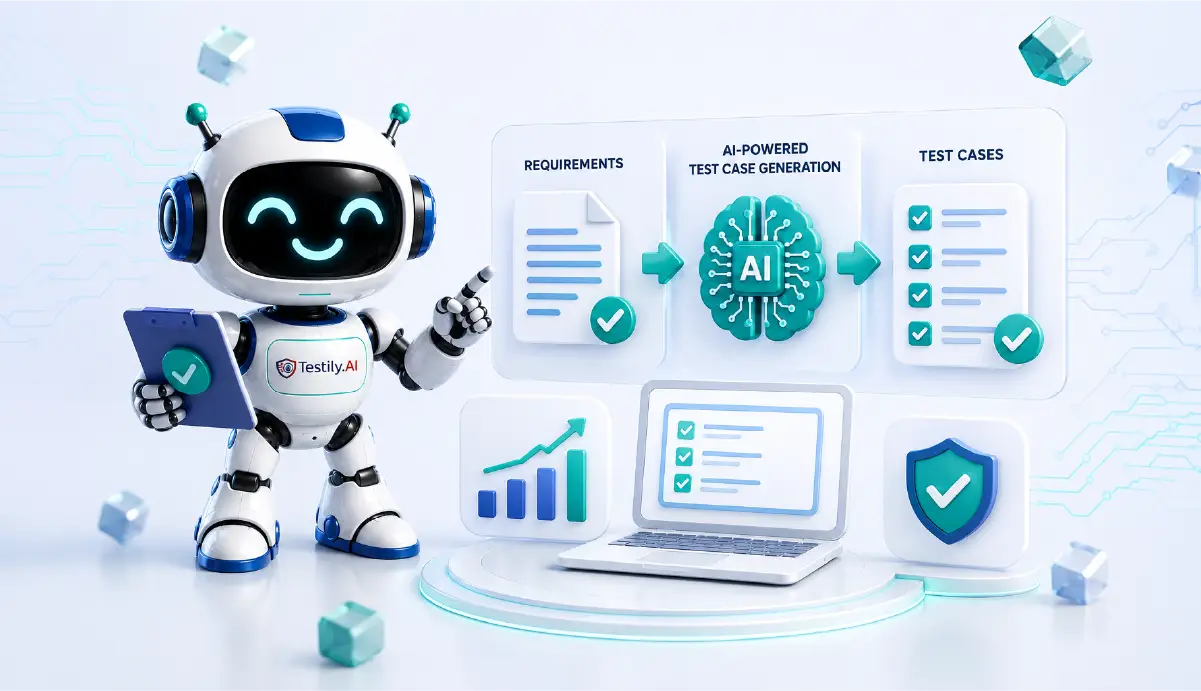
Then testing starts, and suddenly… the list of issues shows up all at once. Not small ones either. Things that feel like they should have been caught earlier. That’s usually the moment people first hear about shift-left testing. Not in a meeting. Not in a strategy doc. But in frustration. This is often the point where teams start exploring approaches like shift-left testing and platforms like Testily.AI that help bring testing earlier into the workflow without adding extra complexity.
So what is shift-left testing really?
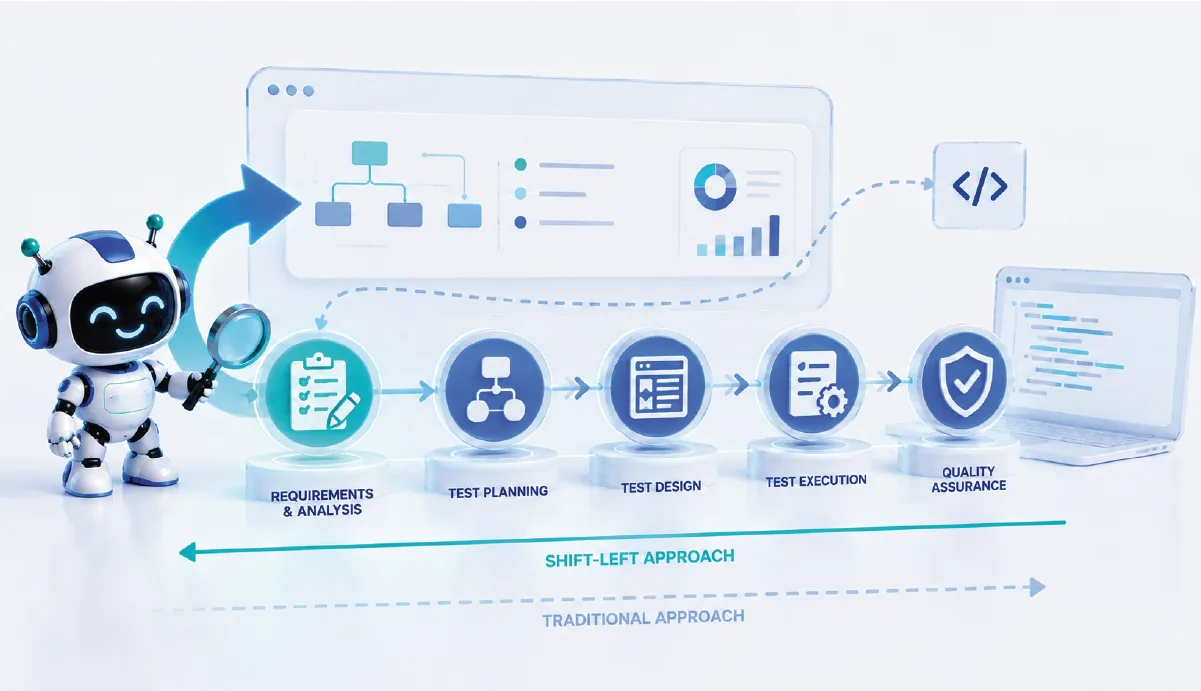
Forget the formal definition for a second. Shift-left testing simply means you stop waiting until the end to test. Instead of treating testing like a final phase, you start bringing it closer to where development actually happens.
Sometimes that means while code is being written. Sometimes even while requirements are still being discussed. That’s it. The idea behind shift-left testing isn’t complicated at all; it’s just about not discovering problems when it’s already expensive to fix them.
Why teams end up moving to shift-left testing anyway
Almost no team starts with shift-left testing as their “plan A.” It usually happens after a pattern repeats itself: Bugs show up late. Fixes take longer than expected. QA becomes a crunch phase. Releases start feeling unpredictable, and at some point, someone says the following:
“Why are we always finding this so late?”
That question is basically the entry point into shift-left testing, even if no one calls it that at first. It also quietly changes how teams think about the entire testing flow, especially in a modern software testing lifecycle.
What shift-left testing actually looks like day to day
There’s no dramatic switch where everything changes overnight. Most teams just start doing small things earlier. Developers begin writing basic tests while coding instead of after finishing everything. QA doesn’t wait for a “handover moment” and starts looking at requirements earlier. Pipelines start running checks automatically whenever code is pushed, and slowly, shift-left testing stops feeling like a “practice” and becomes just… how work happens. It naturally blends into QA automation and CI/CD workflows without needing a big announcement. Tools like Testily.AI support this shift by enabling teams to run tests earlier and continuously without adding manual overhead.
What actually improves when you do shift-left testing
This is where the change becomes noticeable, not in theory, but in day-to-day work.
Fewer surprises at the end
Instead of discovering everything in one big testing phase, issues show up gradually. That alone changes the entire energy of a release cycle.
Less pressure before release
When shift-left testing is in place, testing doesn’t feel like a final fire drill. It becomes more distributed.
Fixing becomes easier
A bug caught early is just simpler. Less dependency chaos, fewer side effects.
Better communication between QA and dev
QA stops being “the final checkpoint” and becomes part of the conversation earlier. Honestly, this is one of the biggest wins people don’t expect.
More stable delivery overall
Once shift-left testing becomes consistent, teams stop reacting and start predicting.
A few real-world examples (no theory, just reality)
One common example is developers writing tests alongside code instead of after. Another is API testing happening before the UI even exists, and in most CI/CD setups, automated checks run every time code is committed so feedback is almost immediate. None of this feels revolutionary in isolation. But together, it’s what shift-left testing actually looks like in practice.
Tools people usually use (without overthinking it)
Most teams don’t “adopt new tools” for shift-left testing. They just start using what they already have differently: CI/CD pipelines Test automation frameworks Basic QA automation setups
Version control hooks and checks, The biggest shift isn’t tooling; it’s timing.
Where Testily.AI fits into this
Once teams adopt shift-left testing, a new challenge often appears: maintaining tests as everything moves faster. As code changes frequently, test updates can become repetitive and time-consuming.
Platforms like Testily.AI are designed to reduce this friction by using AI to adapt tests automatically and minimize manual maintenance. This allows teams to focus on quality earlier in the process without turning shift-left testing into additional overhead.
The most common misunderstanding
People often assume shift-left testing means the following:
“Now we test more, just earlier.” But that’s not really what happens. What actually changes is the following: Less chaos at the end Fewer emergency fixes More predictable releases, Less duplicated effort It’s less about adding work and more about changing when effort happens.
Why Shift-Left Testing Actually Changes How Teams Work
Testing isn’t new. But waiting until the end to do most of it is starting to break under modern release speed. Shift-left testing is just a practical response to that problem.
Nothing fancy. Nothing theoretical. Just a more realistic way of working where issues are found when they’re still easy to fix, and once teams experience that difference, going back usually doesn’t make sense anymore.
How Testily.AI Helps
Shift-left testing works best when testing can happen early without increasing effort. Testily.AI enables this by combining AI-powered automation with manual testing workflows, making it easier to integrate testing throughout the development lifecycle.
With Testily.AI, teams can:
- Start testing earlier without increasing manual effort
- Automatically adapt tests as code and UI change
- Integrate seamlessly into CI/CD pipelines
- Reduce maintenance and improve test reliability
By lowering the effort required to maintain tests, Testily.AI helps teams fully realize the benefits of shift-left testing without slowing down development.
Want to make shift-left testing actually work in your workflow? Testily.AI helps you start earlier without adding extra effort.